


Beverages are no longer simply a way to hydrate or refresh: today, they compete for a place in consumers’ wellness routines. Increasingly, consumers seek practical options with specific benefits that also deliver an appealing sensory experience.
Against this backdrop, the concept of beverages with purpose is growing: functional products designed to deliver additional value beyond flavor, ranging from enhanced hydration, energy, and digestive health to recovery, satiety, beauty, wellness, or everyday nutrition. To achieve this, they incorporate active ingredients such as vitamins, minerals, proteins, fibers, prebiotics, probiotics, collagen, natural caffeine, botanicals, adaptogens, or antioxidants.
But the category’s real challenge lies not only in adding functional ingredients. It lies in ensuring that the benefit is clear, credible, technically viable, and sensorially desirable. This is where the tension running through the entire category emerges: consumers want wellness, but they are not willing to sacrifice enjoyment, clarity, or convenience. A beverage may promise wellness, but repeat purchases will also depend on the experience it delivers.
A cultural shift in the way people drink
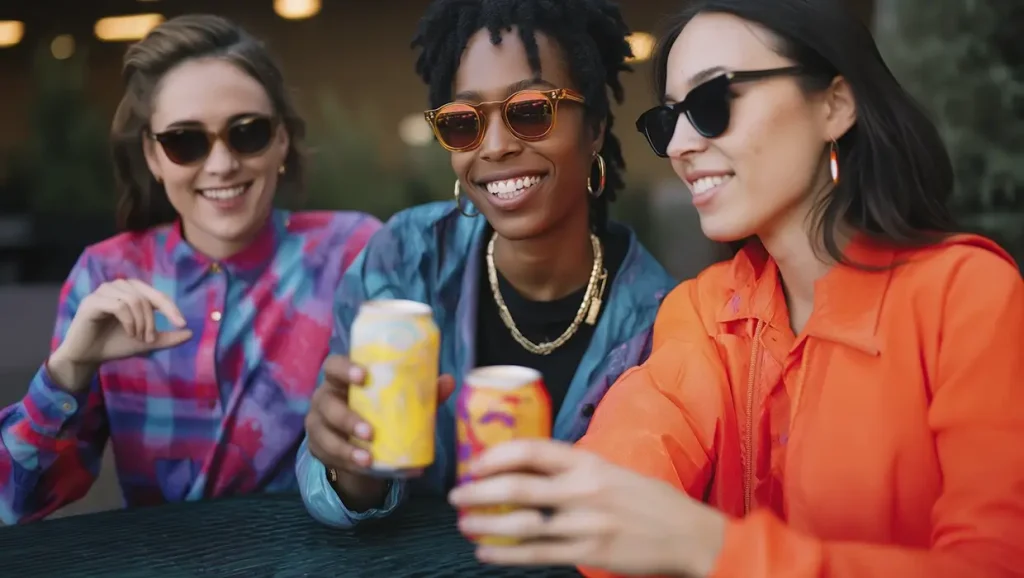
Functional beverages are growing because they respond to a new way of consuming. Today’s consumers seek to integrate health and wellness into everyday products that are accessible and ready to drink.
Functionality is therefore being incorporated into simple, convenient formats capable of accompanying different consumption occasions.
This shift responds to interest in preventive health, energy, digestion, physical and mental performance, stress reduction, and daily vitality. Millennials and Gen Z are driving this transformation with a more conscious outlook: they seek products with a clear purpose, transparency, appealing design, specific benefits, and honest communication.
Sober-curious consumption is also growing: people are reducing or avoiding alcohol while continuing to seek interesting beverages for socializing, celebrating, or enjoying a special moment.
Functional beverages therefore occupy an increasingly relevant intersection between food, supplements, and lifestyle.
LATAM: a developing opportunity in functional beverages
Functional beverages are growing faster than the overall market average. Although the United States and some European markets lead much of the world’s innovation, Latin America presents a particularly attractive landscape.
According to Innova Market Insights data, launches grew at an average annual rate of 12% between 2021 and 2025, compared with 6% for food and beverages overall. During that period, the functional beverage launch index rose from 100 to 155—using 2021 as the base year—representing cumulative growth of 55% and demonstrating the category’s momentum and potential.
This data confirms that LATAM is not simply following a global trend: it has room to build its own identity in functional beverages. Compared with more mature and competitive markets, the region still offers a window of opportunity to build leadership and develop functional products adapted to local habits, flavors, prices, and channels.
Brazil accounts for the largest share of new functional beverage launches in Latin America, with 26% of the regional total, followed by Mexico with 18%, Argentina with 9%, and Costa Rica and Colombia with 6% each. Together, these five markets represent 65% of the launches recorded between 2021 and 2025, while the remaining 35% corresponds to other countries in the region.
This distribution confirms that innovation is not advancing uniformly, but it does reveal a clear regional movement: beverages with purpose are beginning to occupy an increasingly relevant place in the portfolios of local and global brands.
For the Latin American industry, the opportunity lies in translating these trends into local terms: regional fruits, familiar botanical profiles, tropical flavors, hydration products for warm climates, energy beverages adapted to urban routines, digestive options more closely aligned with everyday consumption, and affordable functional alternatives.
In other words, the purpose must feel familiar, understandable, and relevant to consumers’ real lives.
The main areas of innovation
Beverages with purpose can be developed around multiple benefits, but certain areas currently account for the greatest opportunities. The same challenge recurs in all of them: translating a functional promise into an experience that consumers understand, enjoy, and want to choose again.
The opportunity does not lie in finding a single winning functional formula. Consumers turn to different types of beverages depending on the consumption occasion, their needs, and the benefit they seek, creating opportunities to innovate in both emerging categories and traditional formats where functional products still have lower penetration.
1. Advanced hydration
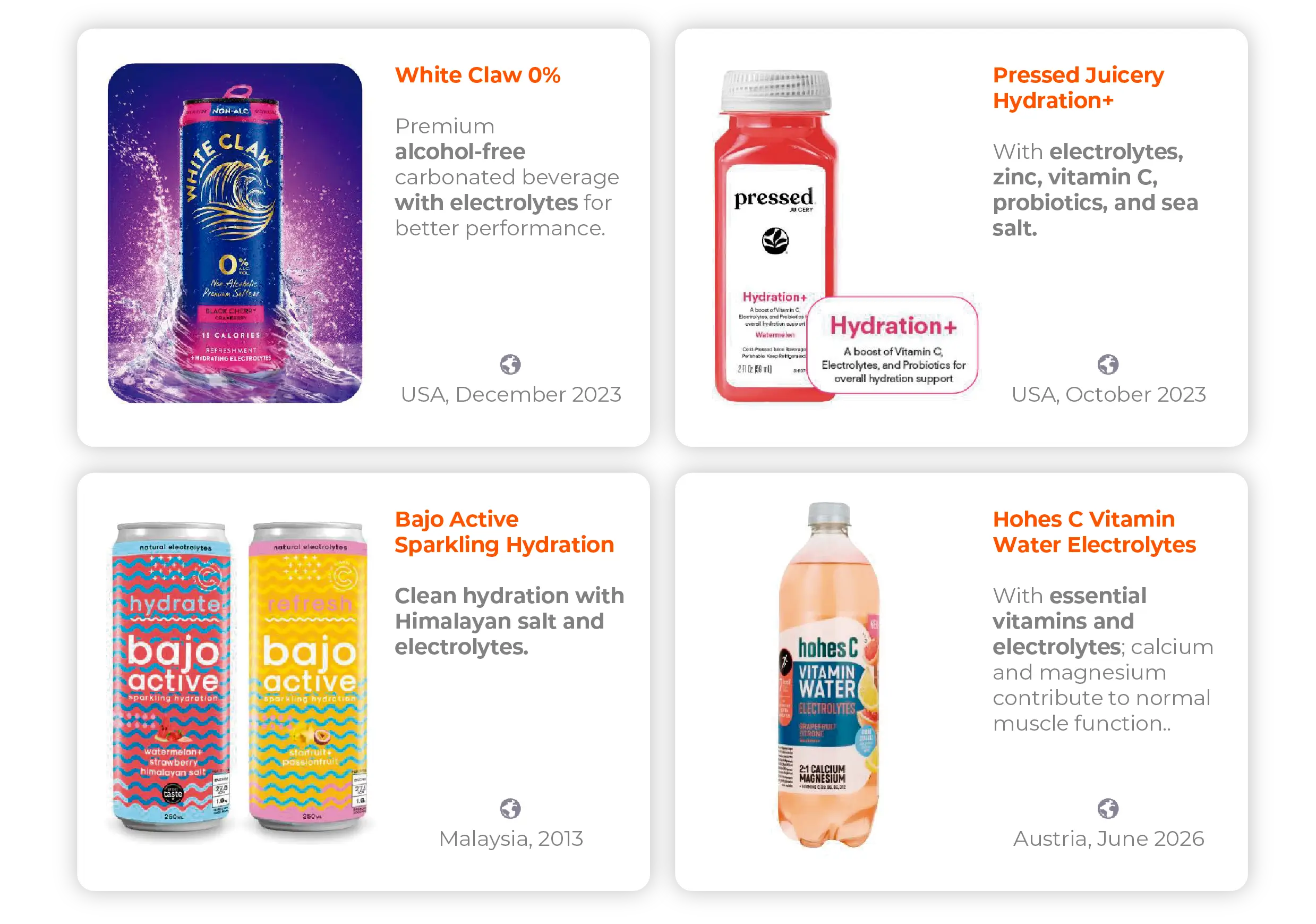
Functional hydration is no longer limited to intense sports. Today, it is expanding into broader consumption occasions: work, studying, travel, hot weather, recovery after moderate physical activity, or daily wellness.
This area includes beverages with electrolytes, minerals, vitamins, coconut water, rehydration salts, low or no sugar, and lighter flavors. The opportunity lies in developing products that communicate effectiveness without being perceived as clinical or medicinal.
Keys to development: balancing functionality, freshness, low sugar, and sensory experience so that advanced hydration is perceived as effective without feeling medicinal.
2. Digestive health
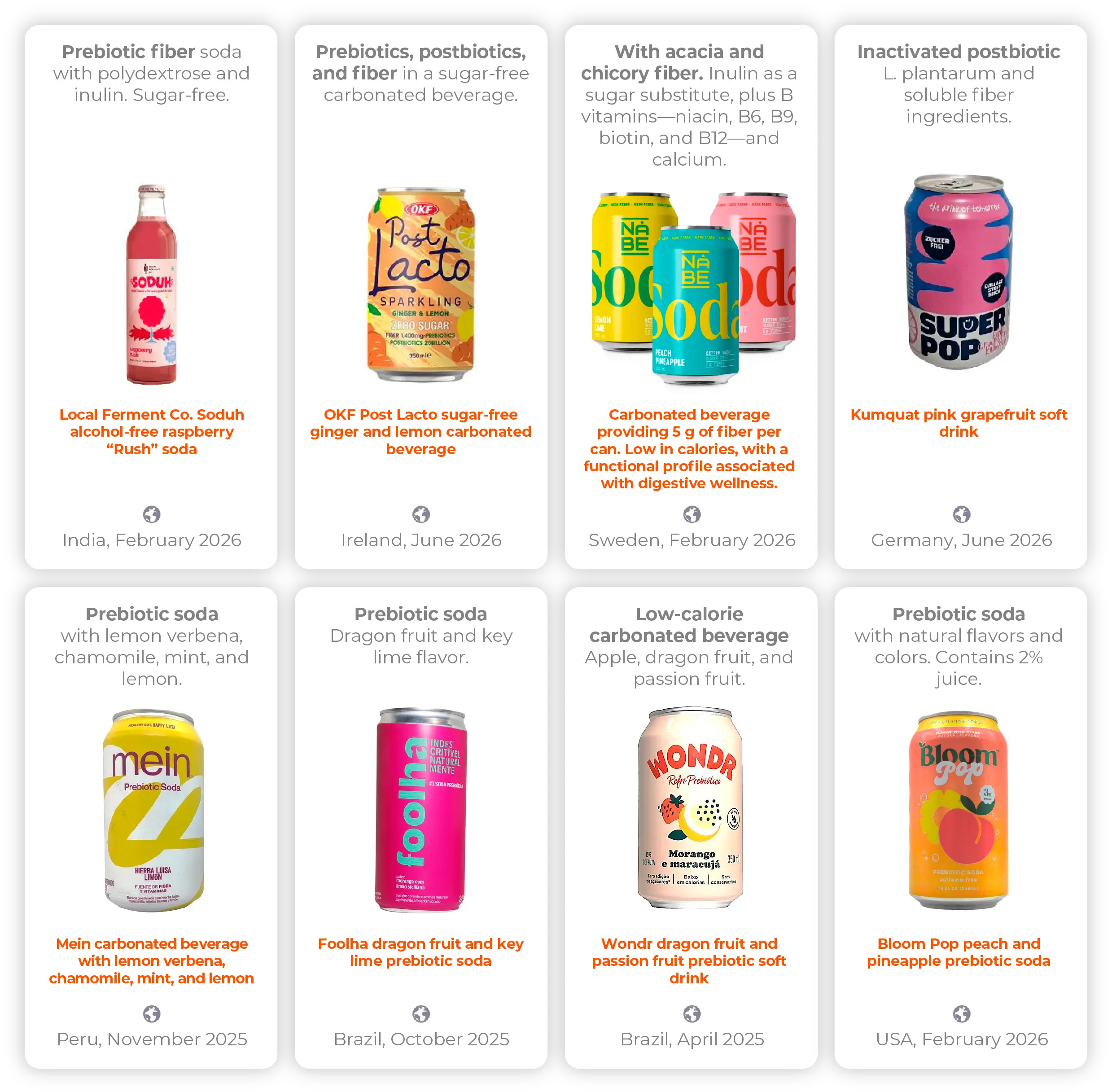
Digestive health is becoming established as one of the main areas of innovation. Probiotics, prebiotics, soluble fibers, kombuchas, kefir, fermented ingredients, and postbiotics are appearing in ready-to-drink beverages ranging from flavored waters to carbonated beverages. Prebiotic sodas redefine soft-drink consumption by combining enjoyment, carbonation, and flavor with a digestive benefit and an improved nutritional profile.
Keys to development: digestive health requires selecting suitable fibers and prebiotics; managing solubility, sweetness, acidity, body, and stability; and avoiding a heavy or excessively “healthy” perception. Communication must be simple and credible so consumers understand the benefit the beverage provides and why they should incorporate it into their routine.
3. Energy and focus
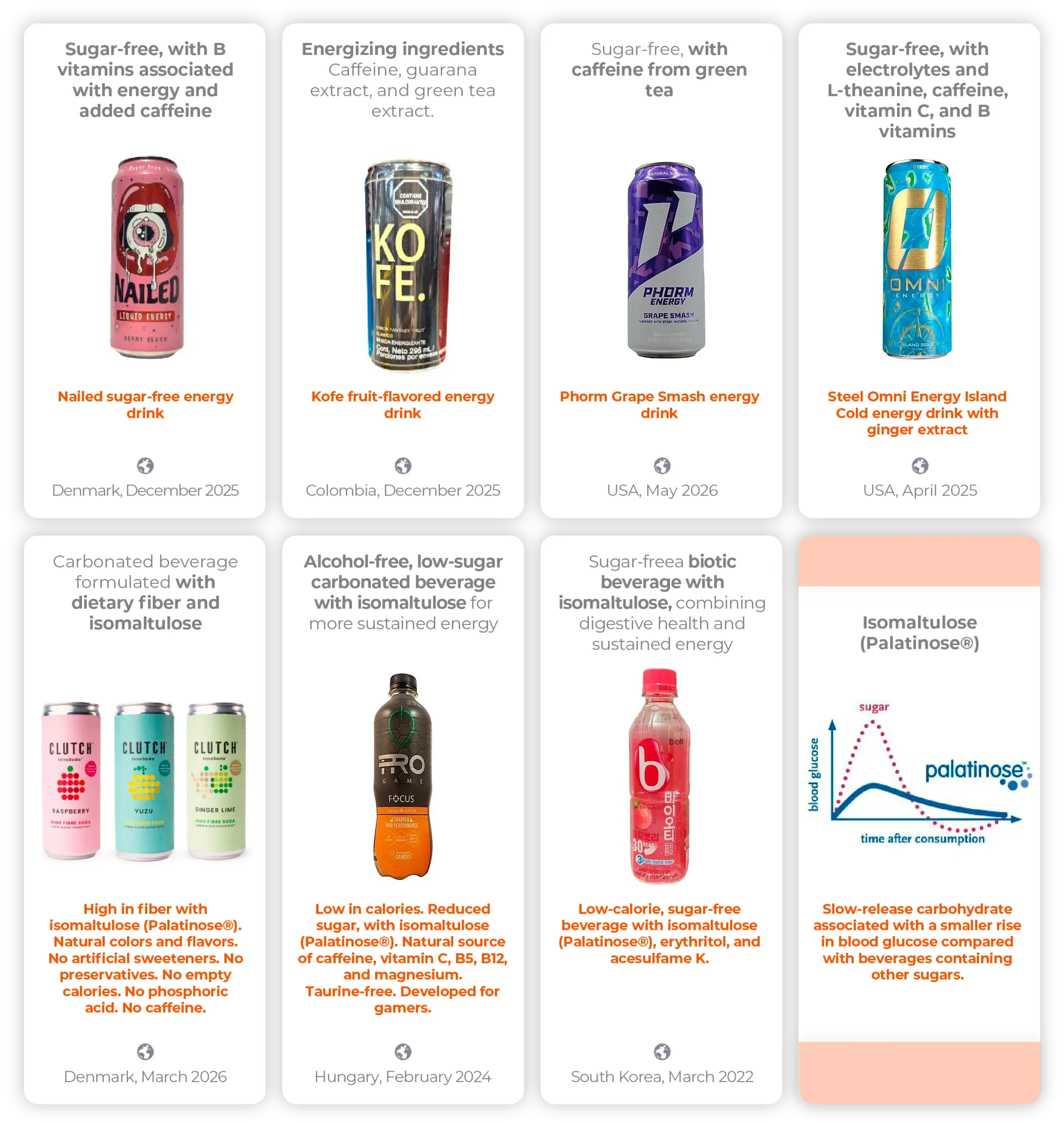
Energy is no longer limited to traditional energy drinks with high levels of caffeine or sugar. The category is diversifying into products designed for stimulation, focus, and sustained energy. Products featuring natural caffeine, guarana, green tea, matcha, B vitamins, L-theanine, and taurine are emerging for energy and focus, alongside slow-release carbohydrates such as isomaltulose for sustained energy.
Consumers seek more balanced energy associated with concentration, productivity, or daily vitality, with products that help maintain energy delivery over time instead of merely generating an immediate stimulus.
Keys to development: the technical challenge lies in combining energizing ingredients with pleasant flavor profiles, masking bitter or herbal notes, and adjusting acidity to create an experience that feels effective without being aggressive.
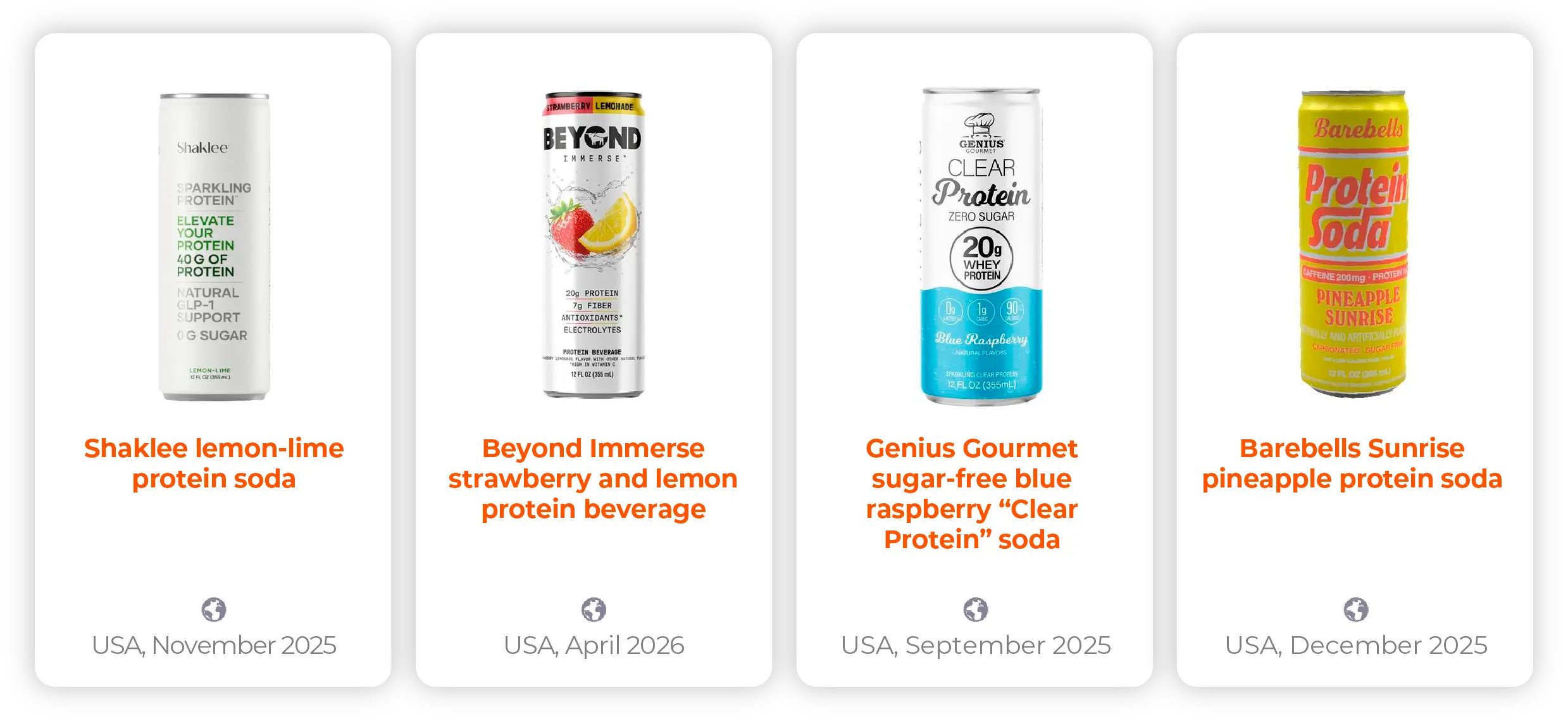
4. Protein, satiety, and recovery
Protein beverages are growing at the intersection of sports nutrition, weight management, satiety, and active wellness. In LATAM, the report identifies RTD (ready-to-drink) sports beverages as one of the fastest-growing subcategories, with a +51% CAGR between 2021 and 2025, while protein-based RTD sports beverages are growing by +25%.
The opportunity extends beyond traditional sports consumers. Protein is also associated with satiety, muscle maintenance, vitality, and healthy aging. This expands consumption occasions to include breakfast, snacks, post-workout, the office, studying, or on-the-go consumption.
Keys to development: adding protein to a beverage requires addressing challenges related to solubility, stability, texture, turbidity, aroma profile, and aftertaste. Plant proteins may also introduce earthy, bitter, or astringent notes. Flavors, modulators, masking systems, and solutions that help maintain a pleasant sensory experience are particularly relevant in this context.
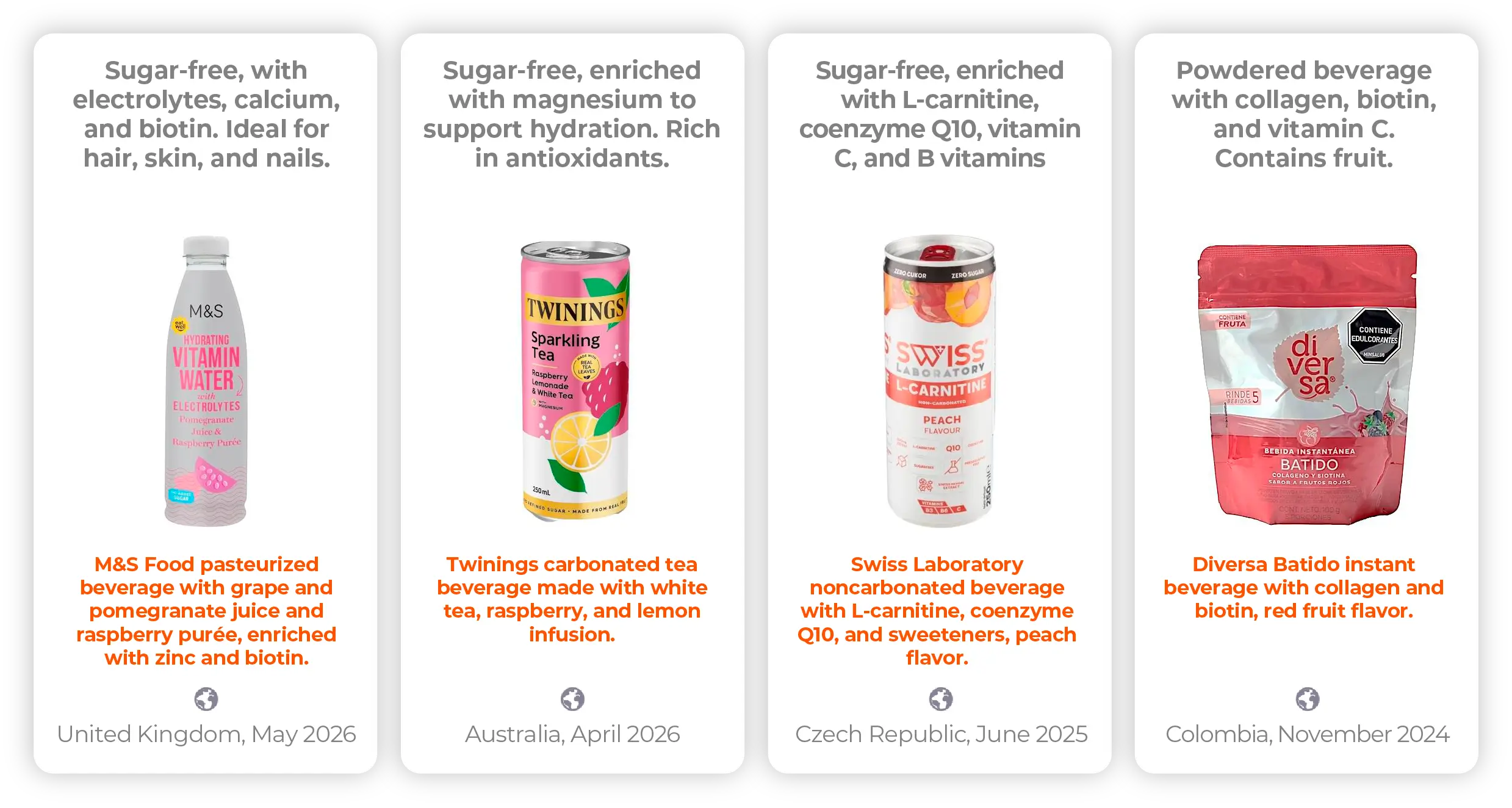
5. Beauty from within
This concept is gaining ground in beverages containing collagen, biotin, vitamin C, zinc, antioxidants, coenzyme Q10, minerals, and botanical extracts. These products connect wellness, personal care, and convenience, particularly when presented in ready-to-drink formats or as instant powders.
This concept may offer opportunities associated with skin, hair, nails, antioxidants, and vitality, provided that claims comply with each country’s regulatory framework.
Keys to development: the challenge lies in integrating functional ingredients that often have residual flavors, sensitivity to light, susceptibility to oxidation, or interactions with other components. Color, flavor, and stability are essential for ensuring that the beauty promise also delivers a pleasant experience.
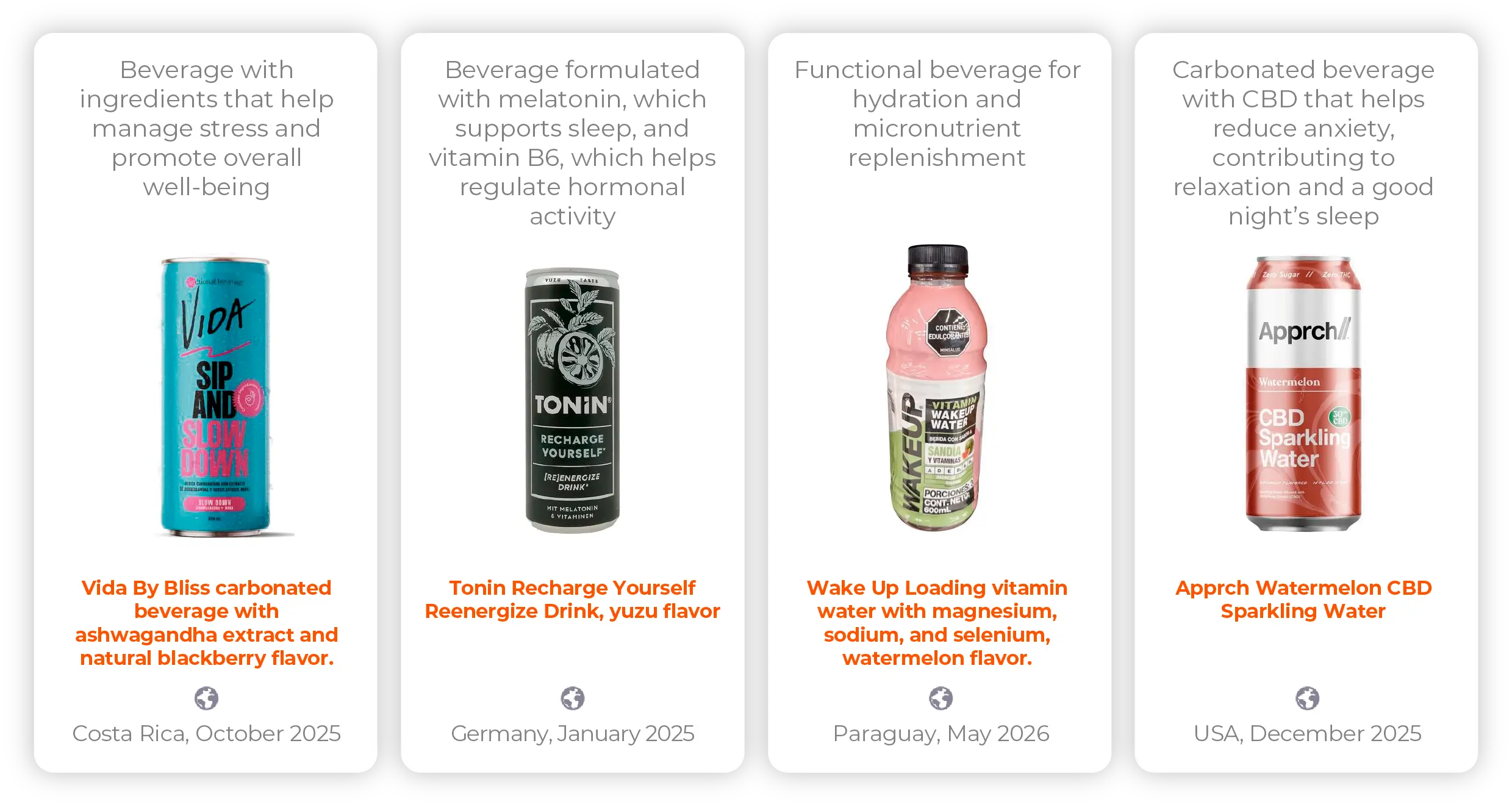
6. Mental wellness and relaxation
Stress, fatigue, and the search for balance are driving new beverages designed for calm, focus, rest, or social relaxation. Ingredients such as ashwagandha, magnesium, melatonin, L-theanine, adaptogens, botanicals, and functional mushrooms are appearing in a range of global products, particularly in markets where regulations allow them.
Alcohol-free alternatives that seek to replicate the sensory and social experience of an adult beverage while offering a functional proposition are also growing: relaxation, wellness, mood balance, or alcohol-free socializing.
Keys to development: credibility is essential, which is why brands must avoid exaggerated promises and work with permitted ingredients, appropriate doses, responsible communication, and sophisticated sensory profiles. Botanical, citrus, floral, herbal, or spiced flavors can help create a more adult and differentiated experience.
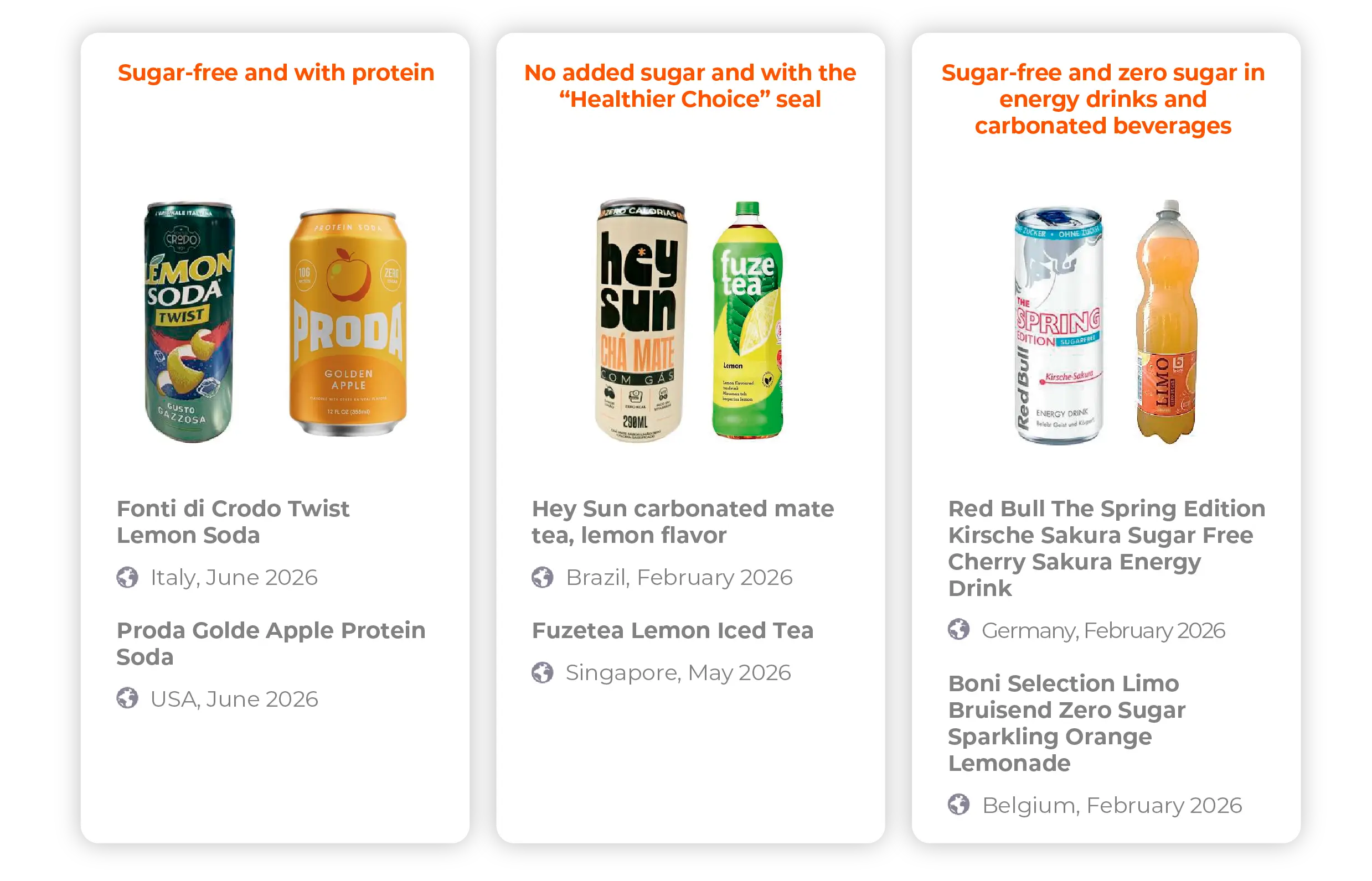
Beverages with less sugar and more purpose
Sugar reduction cuts across the entire category. Claims related to low, zero, or reduced sugar rank among the most influential factors in beverage purchasing decisions.
However, reducing sugar is not simply a matter of removing sweetness. Sugar contributes body, balance, roundness, texture, and flavor perception. When it is reduced or replaced, beverages may become more acidic, more bitter, or have less lingering sensory impact.
The challenge is to improve the nutritional profile without compromising the sensory experience.
At this point, flavor modulators, sweetening systems, flavors, acids, colors, and mouthfeel solutions become essential tools for creating reduced-sugar beverages that remain appealing. This perspective is connected to the development of nutritional beverages, which makes it possible to envision products with an improved nutritional profile and a more balanced consumption experience.
The technical challenge: turning purpose into a viable beverage
Innovation in functional beverages is not defined solely by the active ingredient. It is defined by the ability to integrate that ingredient into a stable, enjoyable matrix that is consistent with the promised benefit.
- In carbonated beverages, carbonation, acidity, gas stability, sweetness, aroma, and refreshing sensation must be carefully managed.
- In protein beverages, solubility, texture, stability, turbidity, aftertaste, and mouthfeel must be addressed.
- In beverages with fibers or prebiotics, viscosity, body, sensory tolerance, sweetness, and stability must be controlled.
- In beverages with botanicals or adaptogens, herbal, bitter, earthy, or astringent notes may emerge and require balancing and modulation.
- In beverages with vitamins, minerals, or antioxidants, stability, interaction with other ingredients, color, metallic flavor, and process sensitivity must be considered.
- In reduced-sugar beverages, rebuilding the body and sensory balance naturally provided by sugar becomes essential.
The differentiator lies not simply in incorporating a functional ingredient, but in ensuring that it works within a beverage that is technically consistent, sensorially appealing, and commercially viable.El diferencial no está simplemente en incorporar un ingrediente funcional, sino en lograr que funcione dentro de una bebida técnicamente consistente, sensorialmente atractiva y comercialmente viable.
From a functional benefit to a credible promise
As the category grows, adding functionality is no longer enough to stand out. On an increasingly competitive shelf, brands need to build an easy-to-understand proposition: a clear central benefit, ingredients aligned with that promise, and transparent, substantiated communication.
The challenge will be ensuring that consumers quickly understand what benefit the beverage offers, why they should incorporate it into their routine, and what distinguishes it from other alternatives. Functionality must be relevant, but also simple to communicate and credible.
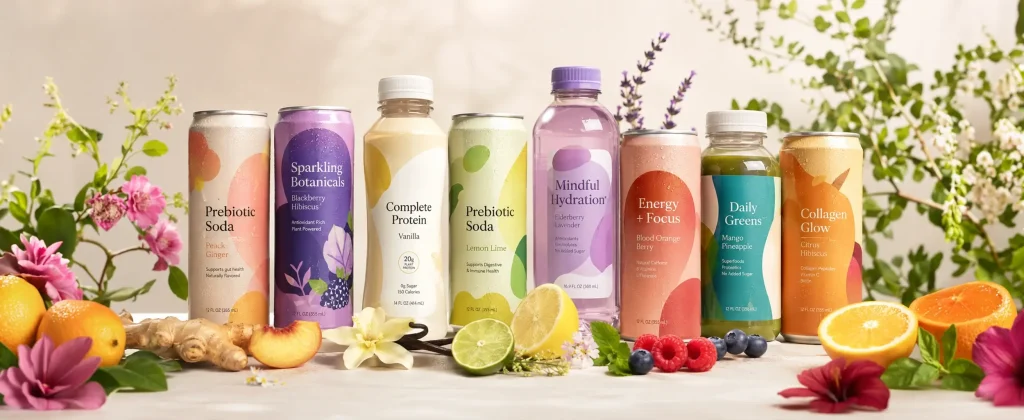
Applied knowledge for beverage innovation
At Grupo Saporiti, we help the beverage industry turn trends into viable products. Through our flavor, color, specialty, and nutrition divisions, we work alongside our customers to transform global trends into concrete products, integrating functionality, flavor, color, stability, nutrition, and sensory experience into developments adapted to each market, matrix, process, and consumption occasion.
We recommend exploring our beverage solutions, designed to address the technical and sensory challenges of different matrices.
We work alongside our customers from defining the challenge through developing and adjusting the formulation, seeking to transform the functional promise into a beverage that is technically viable, sensorially appealing, and relevant to consumers.
Every development requires addressing different variables—from stability, body, and transparency to aroma profile or active ingredient modulation—so that the desired benefit can be maintained in the final product.
You may also be interested in: the new generation of beverage emulsions, innovation in clear citrus beverages with EmulClear, probiotics in beverages, or coenzyme Q10 in beverages.
Innovating with purpose and viability
Beverages with purpose represent a strategic opportunity for Latin America. As the category evolves, opportunities will emerge in products capable of combining a specific benefit, a solid formulation, and a memorable sensory experience.
Grupo Saporiti supports the industry with technical knowledge, creativity, and solutions to transform trends and market needs into viable beverages.
Because when a beverage has a purpose, every ingredient must work to make it a reality.
Are you developing a functional beverage?
Let’s talk. We can support you from the idea through the final formulation, integrating flavor, functionality, stability, and sensory experience.
Sources: Beverages with purpose. Opportunities for innovation in LATAM. Innova Database / Innova Market Insights.


