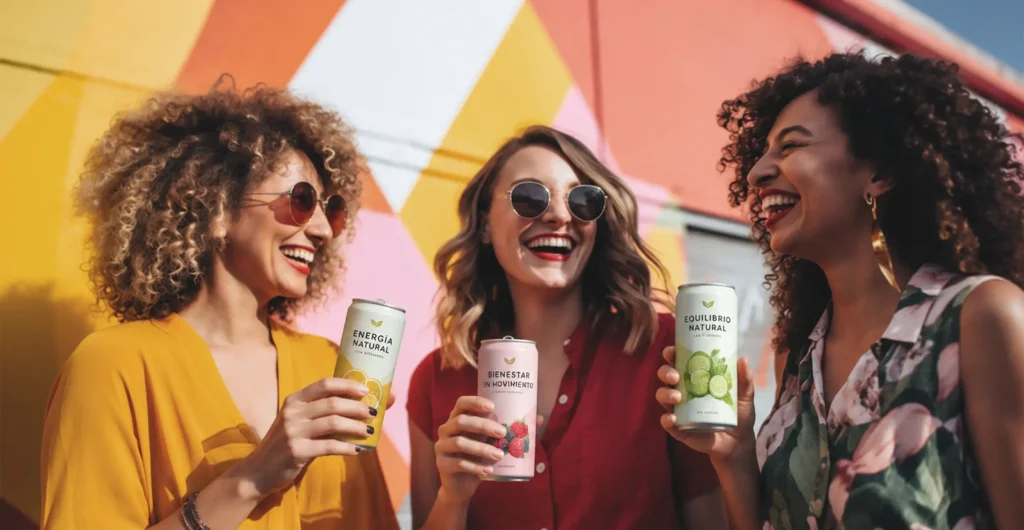
Anticipating the future of food involves much more than identifying trends. For food and beverage companies, the real challenge is understanding how consumers’ motivations, habits, and expectations will evolve and transforming that knowledge into products capable of responding to these new demands.
This process is not immediate. Between detecting a trend and seeing it materialize on the shelf lies a journey that requires research, development, formulation, validation, and industrial scale-up. Translating an emerging need into a stable, sensorially appealing, and technically viable food matrix is a complex challenge that demands time, knowledge, and a deep understanding of both the market and food technology.
In this context, anticipating how consumers will evolve becomes a strategic advantage for those developing new products. This takes on particular relevance in a landscape shaped by acceleration, digital saturation, and uncertainty, in which the meaning of value is also beginning to be redefined.
Novelty, immediacy, and an abundance of options are no longer enough: interest is growing in products and experiences that provide well-being, allow people to slow down, and encourage a more mindful relationship with consumption.
The report Future Consumer 2028, prepared by WGSN, offers a perspective on the new motivations and behaviors that will shape consumption over the coming years. Rather than classifying people by age or socioeconomic status, it identifies new motivations, values, and behaviors that will help define which products will be relevant in the future.
Based on this analysis, four profiles are identified as influences on purchasing decisions:
- The Ascendants, focused on progress.
- The Guardians, who prioritize stability and trust.
- The Challengers, driven by expression and transformation.
- The Restorers, focused on restoring balance in an overstimulated world.
One of these profiles, the Restorers, represents one of the archetypes with the greatest growth potential. Faced with the demands of an increasingly challenging environment, these consumers seek to restore balance through more mindful, simple, and meaningful experiences.demandante, buscan recuperar el equilibrio a través de experiencias más conscientes, simples y significativas.
Restoration is also a form of innovation
The Restorers are affected by fatigue from digital noise, the pressure to optimize every aspect of life, and constant exposure to stimuli. In response, they seek to establish boundaries, protect their energy, and find spaces that promote calm, presence, and enjoyment.
This shift changes how products are evaluated. Value is no longer necessarily found in offering more functions, more ingredients, or more promises, but in providing a meaningful, understandable solution consistent with a more balanced life.
Innovation is no longer associated exclusively with intensity and novelty, and begins to incorporate other dimensions: simplicity, sensory appeal, care, connection, and permanence. According to WGSN, brands capable of slowing down the experience, valuing craftsmanship, and creating moments of presence will be better positioned to connect with these consumers.
What does this trend mean for food and beverages?
In food and beverages, this pursuit creates opportunities that extend beyond a specific category or ingredient. Restoration can be expressed through nutrition as well as through ritual, texture, aroma, flavor, preparation, and the context in which the product is shared.
Jennifer Creevy, Director of Food & Drink at WGSN, says that Restorers will seek to regain energy and optimism through mindful pleasure, restorative rest, intentional joy, and meaningful connections. This perspective redefines well-being: it is no longer limited to a product’s nutritional attributes, but also includes the rituals, emotions, and experiences built around its consumption.
In this landscape, offerings capable of adapting to different moods, needs, and moments will gain relevance: from new hydration rituals and beverages designed around specific benefits to versatile snacks and meals for sharing, enjoying, or accompanying moments of disconnection.
Connection will be another central value. Consumers will seek brands that creatively reinvent the act of sharing and facilitate real experiences with family, friends, and communities. Food and beverages can therefore become not only vehicles for nutrition and pleasure, but also facilitators of connection, self-care, and belonging.
From this perspective, several areas of innovation emerge:
- Products that accompany moments of pause, rest, or recovery.
- Sensory experiences capable of conveying calm, pleasure, and connection.
- Simple solutions that reduce everyday effort and facilitate more mindful choices.
- Food and beverages designed for sharing and strengthening relationships.
- Offerings that prioritize quality, transparency, and consistency over an overload of claims.
It is not merely about developing products “for relaxation,” but about understanding that the entire experience can serve a restorative function. A beverage can become a pause; a simple preparation, a ritual; and a shared meal, an opportunity to reconnect.ausa; una preparación sencilla, en un ritual; y una comida compartida, en una oportunidad de reconexión.
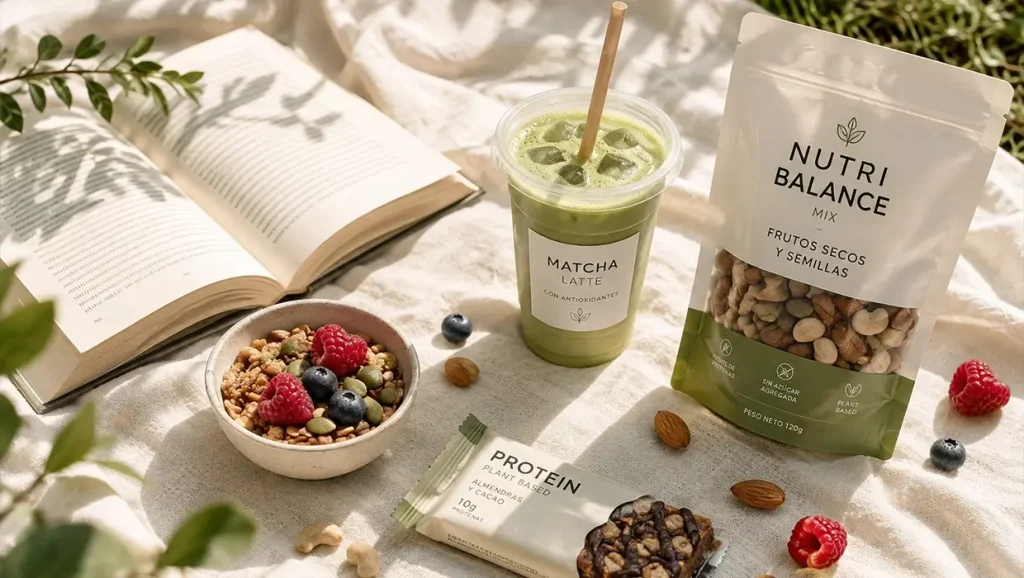
From functional consumption to holistic care
Consumers perceive their well-being as an experience shaped by food, rest, mood, relationships, and their environment. For brands, the opportunity lies in developing clear and consistent offerings in which the formulation and experience confirm the communicated benefit.
Restoration also influences perceptions of quality and purchasing criteria. Faced with an excess of stimuli and alternatives, consumers increasingly value reliable, consistent products made with intention.
Rather than constantly pursuing novelty, these consumers may prefer offerings that demonstrate knowledge, transparency, clear provenance, and a specific purpose. For companies, this makes the ability to explain why a product deserves a place in everyday life particularly relevant.
The challenge will be to innovate without adding unnecessary complexity. It will not always be a matter of adding more components, but of selecting more effectively, formulating precisely, and communicating clearly.
From trend to action
Beyond the characteristics of each profile, the WGSN report suggests that brands will need to help transform major aspirations into everyday, personal, and achievable progress. To accomplish this, it recommends dividing complex goals into small steps, clearly showing the impact of each action, and incorporating playful dynamics that make the process more rewarding.
This means evolving from purely aspirational marketing toward communication that is more relatable and affirmative, capable of recognizing both challenges and progress. Instead of presenting ideal models that are difficult to achieve, brands can support real journeys, celebrate small accomplishments, and offer solutions that evolve alongside people.
The value of communities built around shared goals will also grow. Creating spaces for exchange, learning, and support allows consumers not only to connect with a brand, but also to encourage one another.
For food and beverages, this perspective can translate into offerings that facilitate the gradual development of better habits, provide clear guidance, and support different moments and stages of life. In this way, the product ceases to be an isolated response and becomes part of an ongoing journey.
We recommend reading How to translate global trends into real solutions for food and beverages.
Four questions to guide innovation
The trends identified by WGSN invite food and beverage companies to review not only what they develop, but also for whom, for what purpose, and based on which indicators they assess its value.
1. Are we understanding consumers beyond demographic data?
Age, income, and geographic location are no longer enough to explain purchasing decisions. Emotions, values, motivations, and lifestyles make it possible to build more dynamic and relevant segments.
2. Are we adding value or simply adding attributes?
For years, innovation meant incorporating more ingredients, functions, claims, or varieties. However, the Restorers will seek to reduce saturation and decision fatigue. The opportunity may lie in simplifying, making choices easier, and designing products that provide a clear response.
3. Do we measure value in the same way as consumers?
Volume, frequency, and purchasing speed remain important indicators, but they may prove insufficient. If people seek to consume less and choose better, it will also be necessary to consider trust, perceived quality, repeat consumption, recommendations, and the place a product manages to occupy in their lives.
4. Are we addressing only functional needs or emotional ones as well?
Innovation often focuses on performance, convenience, and efficiency. The challenge will be to develop products and experiences that, in addition to fulfilling a specific function, help people feel calmer, cared for, connected, and balanced.
These questions show that the future of innovation will lie not only in adding more, but in understanding better. Brands that successfully combine functionality, simplicity, sensory appeal, and emotional connection will be better positioned to build truly relevant offerings.
At Grupo Saporiti, we support our customers in developing solutions that respond to new forms of consumption by combining technical knowledge, ingredients, sensory expertise, and market understanding.
Because innovating for the consumer of the future will not mean offering more stimuli, but creating products that provide real value and find a meaningful place in their lives.
We can help you transform these trends into new opportunities for innovation.